Collector Paths
Most collectors end up fitting into one of these styles
Set collector
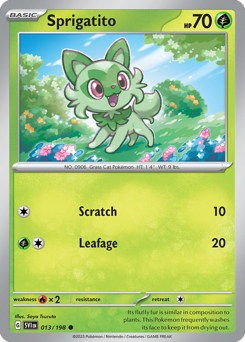
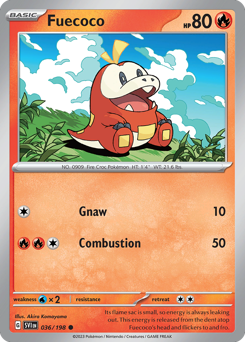
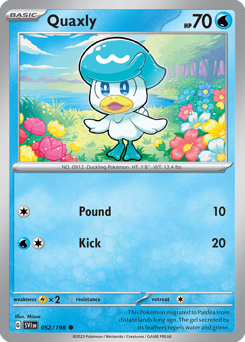
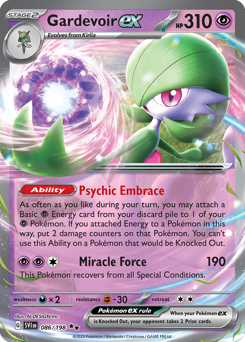
Real example: A Scarlet & Violet base set collector might try to complete a binder with cards like Gardevoir ex, Miraidon ex, Koraidon ex, the full set of commons and uncommons, and reverse holo versions of every main card.
Pokemon-focused binder
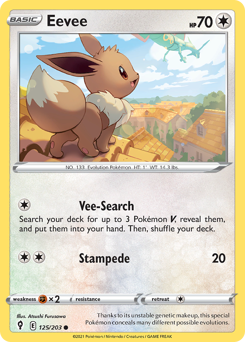
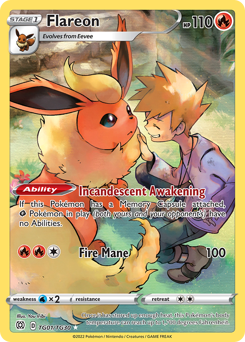
Real example: An Eevee binder could include cards such as Eevee from different modern sets, special promos, Japanese exclusive Eevee cards and then a second section for all the Eeveelutions.
Promo hunter
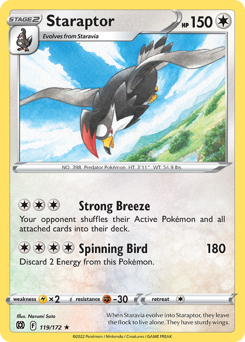
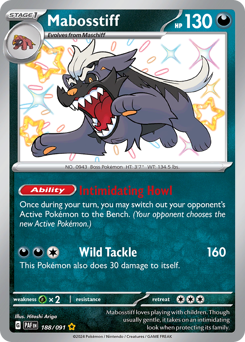
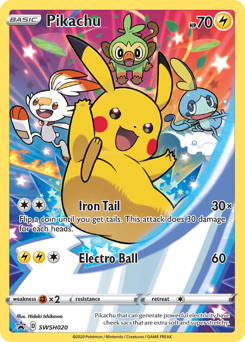
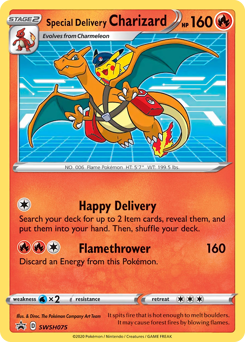
Real example: A promo collector might focus on cards like ETB promos, blister promos, stamped league promos and box exclusives instead of standard set cards.

Sealed shelf collector
Real example: This collector might display one sealed Elite Trainer Box from Paldea Evolved, one Charizard premium collection box and one booster box from a favorite era without opening them. First shelf idea: the first display row could be one ETB, one booster box and one premium collection, with a small card stand in front showing the matching promo card or chase card from each product line.
Deck builder
Real example: A deck-focused collection could revolve around staples and full decks such as Gardevoir ex, Lost Box, Charizard ex or Miraidon ex, keeping playsets organized instead of one-card binder copies.
Vintage era collector
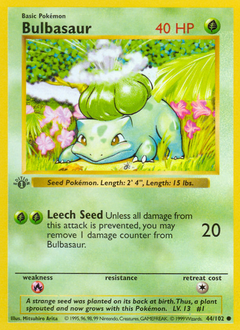
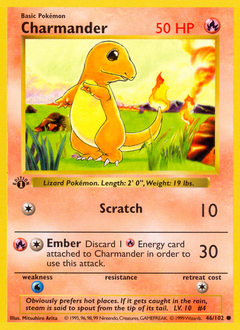
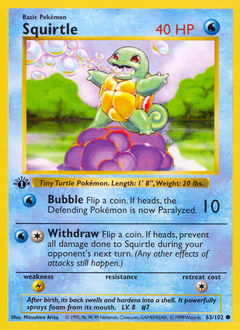
Real example: A vintage collector might focus only on Base Set, Jungle and Fossil cards, chasing pieces like Base Set Blastoise, Jungle Vaporeon and Fossil Dragonite.
Graded card display
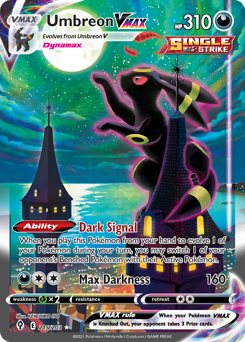
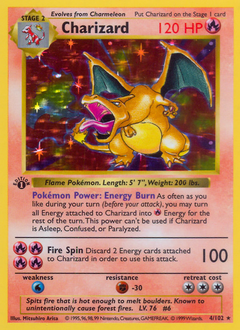
Real example: A graded display could include PSA or CGC slabs of cards like Charizard, Umbreon, Pikachu promos or a favorite illustration rare in high condition.
Budget singles collector
Real example: A low-cost collector may skip expensive chase cards and instead buy affordable singles such as favorite commons, holos, trainer gallery cards and low-cost full arts one by one.
Popular ways to collect Pokemon cards
Full set collecting
Collect every card from one expansion. This is ideal if you like clear goals and checklists.
Example: You choose one Scarlet & Violet set, print a checklist, buy some packs for fun, and then finish the missing cards by buying singles until every card from the set is in your binder.
Favorite Pokemon collecting
Collect every card you can find of one Pokemon, such as Pikachu, Eevee or Charizard.
Example: You decide to collect only Eevee cards, including normal cards, promos, Japanese exclusives and special illustration rares, and dedicate one whole binder section just to Eevee and its related cards.
Favorite artist collecting
Follow one illustrator and build a collection around their artwork style.
Example: You notice that you love cards illustrated by a specific artist, then search every set they worked on and slowly collect one copy of each card they illustrated, even if the Pokemon themselves are not your favorites.
Promo collecting
Focus on special release promos from tins, boxes, events and store campaigns.
Example: Instead of chasing entire expansions, you collect only stamped promos, special box promos and event promos, building a binder that feels different from standard set collections.
Sealed product collecting
Keep booster boxes, elite trainer boxes, tins or special collections unopened.
Example: You buy one elite trainer box from each main expansion and keep them sealed on a shelf, treating the collection more like a display archive than a binder project.
Competitive deck collecting
Collect cards around playable decks and strategies instead of collecting by set.
Example: You build a collection around current tournament decks, so instead of chasing random hits you buy the exact cards needed for two or three strong decks and keep them organized by strategy.
Collection styles that feel different from each other
Pokedex-style collection
Try to get one card of every Pokemon species, similar to completing a Pokedex in card form.
Example: You place Bulbasaur first, then Ivysaur, then Venusaur, and continue in National Dex order, choosing one card per species even if it is not the rarest version.
Rarity collection
Collect only EX, GX, V, full art, illustration rare, special illustration rare or gold cards.
Example: You ignore common and uncommon cards completely and build a binder only from full arts, special illustration rares and gold cards from modern sets.
Era collection
Focus on one era like Base Set, e-Reader, EX, Diamond & Pearl, Sun & Moon or Scarlet & Violet.
Example: You decide that your collection will only cover the EX era, so every purchase is checked against that rule and you skip modern cards completely.
Language collection
Build around English, Japanese, Spanish or another language that you enjoy most.
Example: You collect only Japanese cards because you prefer the print quality and early release schedule, even when English versions are easier to find locally.
Graded card collection
Collect professionally graded cards if you care about condition, display and long-term value.
Example: You only buy PSA or CGC slabs of your favorite cards, focusing on clean display pieces instead of raw binder copies.
Binder story collection
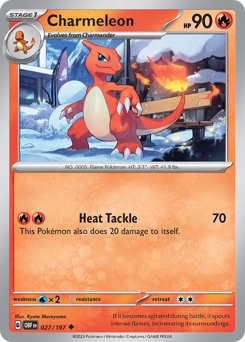
Create pages that tell a theme, such as all starters, all Eeveelutions, spooky cards or all fossil Pokemon.
Example: One binder page could be built around spooky ghost-themed art, mixing cards from many sets as long as the page tells one visual story.
Best collecting styles for different budgets
Low budget
Favorite Pokemon collections, artist collections and binder themes are usually the easiest to manage.
Example: You might collect only common and uncommon cards featuring one favorite Pokemon, buying cheap singles instead of opening lots of random packs.
Medium budget
One-set collecting, promo collecting and selective opening of sealed product can work well.
Example: You open a few products from one set for fun, then complete the rest with singles and maybe keep one premium box sealed as part of the collection.
High budget
Graded cards, vintage eras, sealed collections and master sets become more realistic at this level.
Example: You could collect a full vintage set in strong condition, add graded chase cards and still keep sealed products from the same era for display.
Where collectors usually get their cards
Singles
Best when you know exactly which cards you want and do not want to rely on pack luck.
Example: If you want just one illustration rare of your favorite Pokemon, buying that single card directly is usually cheaper than opening many packs hoping to pull it.
Booster packs
Fun for surprises, but less efficient if your goal is very specific.
Example: You may open a few packs from a new set for excitement, then stop and switch to singles once you know what cards you actually want to keep.
Trading
Great for converting duplicates into cards that match your collection style.
Example: If you pull duplicate EX or illustration cards, you can trade them for binder cards you still need instead of buying everything with cash.
Local card shops
Useful for browsing singles, finding events and getting help from other collectors.
Example: A local shop might let you inspect card condition in person before buying, which is especially helpful if you care about binder quality.
Online marketplaces
Strong for price comparison, but you should always check seller reputation and card condition carefully.
Example: You might use marketplaces to compare several listings of the same card, choosing the one with the best mix of price, condition and trusted feedback.
Events and promos
League play, special boxes and event campaigns can add unique cards that are harder to find later.
Example: Attending a prerelease or local league can get you stamped promos that later become a fun sub-collection inside your binder.
Simple advice before you start collecting
Start with a clear goal
Choose one collecting style first instead of trying to do everything at the same time.
Protect your cards early
Use sleeves, binders and storage boxes from the beginning if you care about condition.
Buy singles when possible
If you want specific cards, singles are often cheaper than chasing them through sealed product.
Pokemon card collecting FAQ
What is the easiest way to start collecting?
Collecting your favorite Pokemon or building a simple themed binder is usually the easiest starting point.
Is opening packs the best way to collect?
Not always. Packs are fun, but singles are usually better if you already know what you want.
What is a master set?
A master set usually means completing an expansion with all normal cards, reverse holos and special variations.